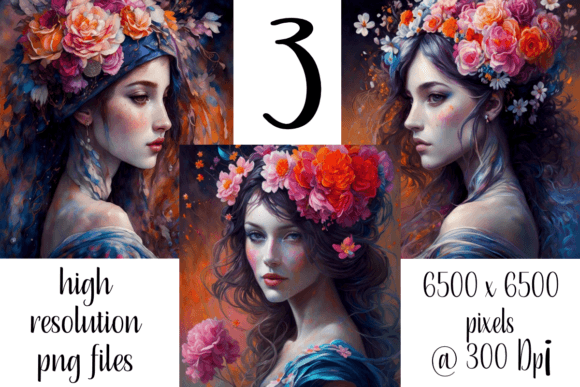
Beautiful Watercolor Portraits Set of 3 Review
First Impressions: Translating Paint to Thread
As a designer who has digitized and stitched countless illustrations, I approach any new machine embroidery design with a healthy dose of skepticism. Digital art is forgiving; thread is not. When I first opened the Beautiful Watercolor Portraits Set of 3, my immediate focus wasn't just on the aesthetic charm of the artwork, but on how those soft, blended watercolor edges would translate into actual stitches. In the category of Illustrations, this set stands out for its emotive quality, but as an embroidery product reviewer, I needed to know if it could survive the transition from screen to fabric without losing its soul.
The initial impression is one of delicate sophistication. These portraits carry a vintage, nostalgic mood that feels distinctly human rather than clip-art generic. For a handmade product creator, this visual personality is gold. It suggests a level of artistry that customers associate with high-end boutique items rather than mass-produced goods. However, the true test of any embroidery file in this style is density management. Watercolor effects require complex layering of fill stitch and running stitch to mimic paint transparency. Upon inspecting the design assets, I was relieved to see a thoughtful balance. The designs avoid the common pitfall of being overly dense, which means they are less likely to distort lightweight fabrics or cause puckering on finished projects.
Real-World Application: Stitching a Custom Tote Bag
To truly evaluate the Beautiful Watercolor Portraits Set of 3, I moved beyond the software preview and planned a real-life scenario. I chose to create a custom canvas tote bag intended as a personalized gift for a client’s bridal party. Tote bags are a staple for every Etsy seller and craft business, but they present specific challenges due to the coarse weave of canvas and the need for durability.
During the stitching process, the design performed admirably. The stitch density was sufficient to cover the textured fabric without becoming bulletproof. This is crucial for tote bag design work; you want the portrait to feel integrated with the material, not like a heavy plastic patch sitting on top. The color blending relied heavily on strategic thread changes rather than excessive underlay, which kept the final product soft and pliable. For a small shop product, this matters immensely because it affects the perceived quality. A stiff, over-stitched portrait feels cheap, whereas this set retained the drape of the canvas.
I also considered how this would apply to sweatshirt embroidery. Fleece and French terry can swallow fine details. Because these portraits utilize distinct shapes and intentional negative space, they remain legible even on fuzzy fabrics. If you are planning custom apparel for a fall or winter collection, this set offers enough visual weight to stand up against heavier textiles while maintaining that signature watercolor softness.
Navigating Fabric Limitations and Hoop Constraints
While the Beautiful Watercolor Portraits Set of 3 is versatile, it is not immune to the laws of physics. As an experienced embroiderer, I must highlight where caution is required. Watercolor-style illustrations often rely on subtle shading gradients that can get lost on dark fabrics. Unless you are using a white underlay base or specifically designed light-colored threads, the nuance of the portrait may vanish on navy or black garments. Always test your thread colors against your chosen background before committing to a full production run.
Hoop size is another critical variable. These portraits likely have a specific aspect ratio to maintain their artistic integrity. Resizing them significantly to fit a smaller hoop or a curved surface like a cap can distort the facial features or compress the shading layers. I would advise against using these on structured caps unless you have verified the digitizing allows for such manipulation. Similarly, stretchy knits require robust stabilization. While the design isn't excessively dense, the nature of portrait work demands precision. Any shift in registration during stitching will be immediately obvious in a face or detailed figure. Use a high-quality cut-away stabilizer for any knit baby embroidery or stretchy apparel to ensure the finished product looks professional after washing.
Be mindful of items requiring frequent, harsh laundering, such as kitchen towels or baby bibs. Watercolor aesthetics depend on visual softness. Aggressive detergents and high heat can degrade the sheen of rayon or polyester threads, flattening the dimensional effect that makes these illustrations special. For high-wear items, consider if a simpler line-art version might be more durable, or reserve this specific set for decorative pillows, wall hangings, and special occasion wear.
Elevating Brand Value and Customer Trust
In the competitive landscape of digital product sellers and apparel decorators, differentiation is key. Using the Beautiful Watercolor Portraits Set of 3 signals to your audience that you value artistic cohesion. When customers browse an Etsy listing or a boutique website, they are looking for emotional connection. These illustrations provide a narrative quality that standard monograms or text-based designs cannot achieve alone.
For commercial embroidery businesses, consistency builds trust. Having a coordinated set of three portraits allows you to create themed collections—perhaps for Mother’s Day, wedding seasons, or nursery decor. This thematic consistency makes your printable mockups look more curated and professional. Buyers are more likely to purchase multiple items or return to your shop when they recognize a distinct visual language. Furthermore, because these are categorized as Illustrations rather than generic clip art, they lend themselves beautifully to mixed-media projects where embroidery is combined with vinyl, sublimation, or direct-to-garment printing.
Essential Designer Notes Before You Stitch
Before you load this digital embroidery file into your machine for a client order or personal project, please adhere to these practical checkpoints:
- Verify Licensing Terms: Never assume usage rights. Check whether the license permits commercial use for physical products, digital resale, or both. Protecting your business starts with respecting intellectual property.
- Test on Scrap Fabric First: Do not risk a $40 sweatshirt on an untested design. Stitch out the portrait on a scrap of the exact fabric and stabilizer combination you intend to use. Inspect the registration and texture.
- Check Thread Color Contrast: View your mockup in grayscale. If the portrait loses definition in black and white, your thread contrast is too low. Adjust your palette to ensure the subject pops against the fabric.
- Inspect Small Details: Zoom in on the eyes, hair strands, and edges. Ensure there are no jump stitches crossing critical facial features that you would have to trim manually on a production run.
- Confirm Stabilizer Compatibility: Watercolor fills can sometimes pull fabric. If testing reveals distortion, add a layer of tear-away topping or switch to a firmer cut-away backing.
- Evaluate Washability: If making holiday embroidery or gifts that will be used heavily, wash your test sample. See if the shading holds up or if the threads fray. Adjust density if necessary.
The Beautiful Watercolor Portraits Set of 3 offers a wonderful opportunity to bring fine art aesthetics into the tactile world of embroidery. Whether you are creating a personalized gift, expanding your design assets library, or launching a new line of custom apparel, success lies in understanding the relationship between the digital file and the physical medium. Treat these illustrations with the technical respect they deserve, and they will reward you with finished products that feel as beautiful to the touch as they are to the eye.