Watercolor Baby Clothes Clipart: Illustrations Review
First Impressions: Evaluating Softness and Commercial Viability
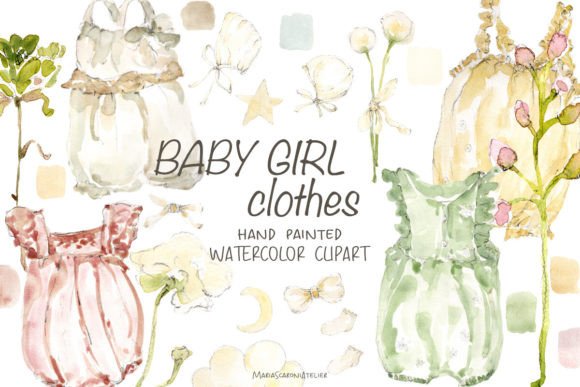
When reviewing a new graphic design asset for an upcoming client project, my primary concern is always versatility versus specificity. Recently, while developing a comprehensive brand identity for a boutique children’s clothing line launching on Etsy, I evaluated this Watercolor Baby Clothes Clipart collection to determine if it could anchor our visual strategy. The immediate impression is one of organic warmth and nostalgic comfort. Unlike rigid vector art, these illustrations possess a hand-painted authenticity that digital filters often fail to replicate. The brushwork suggests traditional media, featuring soft edges and natural color bleeding that communicates craftsmanship.
For a handmade business or a brand focusing on sustainable, organic textiles, this aesthetic is invaluable. It instantly establishes an emotional connection with parents seeking gentleness and quality. However, as a professional designer, I look beyond the initial charm. I need to know if these assets can scale from a tiny Instagram story sticker to a large-format trade show banner without losing integrity. In this review, I am assessing whether this digital product truly supports high-end commercial design workflows or if it remains strictly a hobbyist resource.
Application in Brand Identity and Packaging Design
In our test case for the baby boutique, we needed cohesive marketing visuals across multiple touchpoints. This Watercolor Baby Clothes Clipart performed exceptionally well in packaging design. We utilized individual garment elements as repeating patterns for tissue paper and as focal points on hang tags. The watercolor texture added a tactile quality to the printed materials that elevated the perceived value of the physical product. For small business branding, this level of detail helps differentiate custom goods from mass-produced alternatives.
Regarding logo design, caution is required. While the clipart is beautiful, watercolor textures can become muddy when scaled down to favicon size or embroidered onto fabric. I found these assets work best as supporting elements flanking a clean typographic logo rather than serving as the primary logomark itself. They function brilliantly as secondary brand marks or decorative accents within a larger design bundle strategy. When paired with a modern serif or delicate script font, the juxtaposition creates a sophisticated visual hierarchy that feels both established and approachable.
Performance Across Digital Platforms and Print Media
A major requirement for this project was cross-platform consistency. We tested these design assets extensively for social media graphics and web design. On Pinterest and Instagram, the soft color palette stopped the scroll effectively without feeling aggressive. The transparency in the PNG design files allowed us to layer the clothes over various background colors seamlessly, making them ideal for Canva template creation. Content creators and social media managers will appreciate that the isolated backgrounds are clean, reducing editing time significantly.
For print-on-demand sellers and crafters, the resolution is critical. I verified the DPI to ensure suitability for sublimation design and direct-to-garment printing. The details held up beautifully on t-shirt design mockups and tote bags. However, for Cricut project users, note that true watercolor is raster-based. If you require an SVG design for cutting vinyl, you may need to create simplified silhouette versions derived from these images, as the intricate paint edges do not translate well to blade cutting. Conversely, for sticker design and printable wall art, the raster format is perfect, capturing every nuance of the pigment.
Strategic Placement: Maximizing Impact and Avoiding Clutter
Understanding where to place this Watercolor Baby Clothes Clipart is just as important as the asset quality itself. These illustrations thrive in large layout areas and hero graphics where the texture can breathe. They are exceptional for seasonal campaign visuals, birth announcements, and nursery decor editorial design. The organic shapes naturally guide the eye, making them useful for framing text in invitations or product labels.
However, there are environments where this asset requires restraint. Avoid using these detailed paintings in minimalist corporate materials or high-density informational layouts. The inherent complexity of watercolor can compete with body copy, negatively impacting readability. In projects requiring strict geometric alignment or high-contrast accessibility standards, these soft forms may feel out of place. Always prioritize legibility; if the clipart distracts from the essential message or call-to-action, it should be removed or significantly faded into the background.
Technical Due Diligence for Professional Designers
Before integrating any clipart into a paid client deliverable, rigorous technical testing is non-negotiable. My first step was converting the artwork to grayscale to test contrast. Watercolor often relies on hue differentiation rather than value contrast; what looks distinct in color may disappear in black and white or low-quality print. Always preview your designs in monochrome to ensure the visual hierarchy remains intact regardless of output medium.
Inspect the file formats meticulously. Confirm that the PNG transparency is genuine and free of white halos or jagged artifacts, which can ruin a professional product mockup. Test print at actual size before finalizing any printable design project, as screen brightness often deceives the eye regarding ink saturation. Furthermore, typography pairing is crucial. I recommend testing these illustrations against various typefaces; a bold sans-serif might clash with the delicate brushstrokes, whereas a complementary handwritten font enhances the artisanal feel. Finally, and most importantly, verify the commercial license. Ensure the terms explicitly cover your intended use, whether that is for physical products, digital templates, or client branding. Respecting intellectual property is foundational to professional creative design.
Final Verdict for Creative Marketplaces and Client Work
After thorough evaluation, this Watercolor Baby Clothes Clipart proves to be a robust asset for specific niches. It excels in Etsy product listings, nursery branding, and emotional storytelling campaigns. The artistic quality bridges the gap between DIY charm and professional polish, making it a valuable addition to a designer's toolkit for clients in the maternal, infant, and handmade sectors. While it demands careful handling regarding scaling and contrast, its ability to evoke warmth and trust makes it a standout choice for brands aiming to connect deeply with their audience. For designers willing to respect its organic nature and technical limitations, this collection offers significant creative potential for both digital and physical applications.