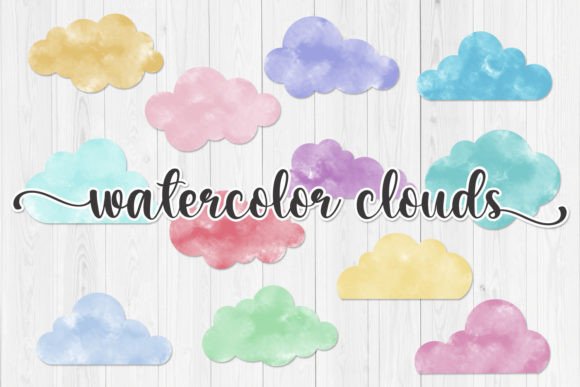
Watercolor Clouds Clipart: An Embroidery Review
As a designer who spends just as much time behind an embroidery machine as I do at a computer screen, I approach digital assets with a specific set of criteria. When I first opened the Watercolor Clouds Clipart file, I wasn't looking for pretty pixels; I was looking for stitchability. For those of us running a craft business or managing an Etsy shop, the gap between a beautiful illustration and a viable machine embroidery design can be vast. After testing this artwork in a real-world scenario, here is my honest assessment of how these clouds translate from screen to fabric.
First Impressions and Visual Mood
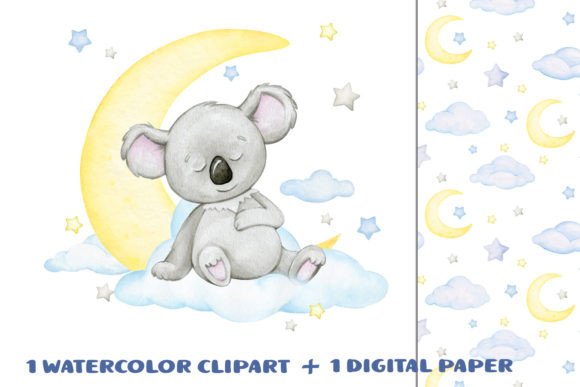
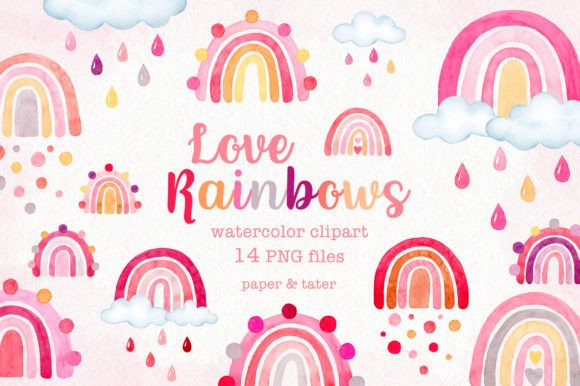
The initial appeal of Watercolor Clouds Clipart lies in its softness. Unlike rigid vector art, these illustrations carry an organic, hand-painted quality that immediately suggests comfort and whimsy. The edges are diffused rather than hard-lined, which creates a dreamy aesthetic perfect for nursery decor or gentle apparel. However, as an experienced reviewer, I know that watercolor effects are notoriously difficult to replicate in thread. My first thought was whether the digitizing respects the fluid nature of the original art or if it forces the design into blocky, unnatural shapes. Visually, the layout feels balanced, offering enough negative space to pair with text without feeling empty, making it a strong candidate for personalized gift projects.
Real-World Test: The Custom Sweatshirt Project
To truly evaluate this asset, I decided to use it for a custom sweatshirt embroidery project intended for a boutique client. The goal was a relaxed, boho-style crewneck featuring the cloud motif above a custom name. This scenario tests the design’s versatility because fleece-backed sweatshirts have texture and stretch, both of which can distort delicate details.
During the stitching process, I paid close attention to how the fill stitch areas handled the color blending. In many watercolor-style embroidery files, the transition between shades can look striped or mechanical. Fortunately, this design utilized a varied stitch direction that mimicked the brushstroke effect reasonably well. The satin stitch borders were clean but not overly dense, which prevented the fabric from puckering—a common issue when embroidering on knit fabrics. The finished product had a professional, handmade feel that justified a higher price point than standard clipart-based merchandise. It looked like an intentional piece of art, not just a stamped-on graphic.
Performance Across Different Applications
Beyond sweatshirts, I evaluated how Watercolor Clouds Clipart would perform across other common categories for small shop products and commercial embroidery:
- Baby Embroidery: This is arguably the strongest use case. The soft aesthetic aligns perfectly with onesies and blankets. However, ensure the stitch density isn't too high for delicate cotton interlock to avoid creating a stiff, bulletproof patch on a baby garment.
- Tote Bag Design: Canvas tote bags provide a stable base that showcases the detail of these illustrations beautifully. The natural fibers of canvas accept the thread colors well, enhancing the watercolor illusion.
- Holiday Embroidery: While clouds are typically associated with spring or nurseries, they work surprisingly well for winter holiday themes when paired with snowflakes or metallic threads. They add a softer alternative to traditional red-and-green motifs.
- Embroidered Patches: If you plan to turn this into a patch, verify the border definition. Watercolor edges can sometimes get lost against felt backing, so you may need to add a manual guide stitch during editing.
Critical Considerations for Fabric and Hoop Size
While the design is versatile, it requires careful placement. Based on my review, there are specific environments where Watercolor Clouds Clipart demands caution:
Fabric Texture and Stability
This design relies on subtle color shifts to create depth. Highly textured fabrics like terry cloth or heavy linen can swallow these nuances. If you are working with tea towels or plush blankets, consider using a water-soluble topping to keep the stitches sitting on top of the pile. Conversely, on thin, stretchy fabrics like jersey knits, proper stabilizer choice is non-negotiable. A cut-away stabilizer is essential here to prevent the design from warping after washing. Always test on scrap fabric first to see if the fabric texture competes with the illustration's detail.
Hoop Size and Scaling Limits
One major limitation I observed involves scaling. Because watercolor effects depend on specific stitch lengths and densities to create gradients, shrinking this design down to a tiny 2x2 inch logo size will likely result in a muddy blob. Check your hoop size constraints before committing. This artwork shines at medium to large sizes where the individual thread colors have room to breathe. If you need a miniature version for a cap or sleeve cuff, look for a specifically digitized mini version rather than resizing the main file yourself.
Impact on Business Value and Customer Trust
For Etsy sellers and creative entrepreneurs, the quality of your digital embroidery file directly impacts buyer engagement and brand consistency. Using high-quality illustrations like Watercolor Clouds Clipart signals professionalism. Customers can tell the difference between a generic, jagged stock design and a thoughtful, artistic rendering. When your finished product photos show crisp, beautiful stitching, it builds trust and justifies premium pricing.
Furthermore, having cohesive design assets allows for better printable mockup creation. Even before you stitch a sample, the visual clarity of this clipart makes for attractive listing photos. Just remember to disclose that the mockup is digital until you have a physical photo ready. Transparency maintains customer trust.
Designer Notes for Successful Implementation
Before you load this embroidery file into your machine for a client order or shop inventory, run through this practical checklist:
- Verify Licensing: Confirm whether your purchase includes commercial rights for selling finished products versus just personal use. Never assume; always check the license terms included with the download.
- Thread Color Matching: Watercolor designs often require specific thread colors to achieve the gradient effect. Review the color chart provided with the file. Substituting generic blues might flatten the image. Invest in the exact shades or test swatches to match the intended mood.
- Check Stitch Density: Open the file in your embroidery software to inspect density maps. If you are stitching on lightweight fabric, you may need to reduce density slightly to prevent needle holes or tearing.
- Test in Black and White: View the design in grayscale within your software. This reveals the contrast and shading structure independent of color. If it looks flat in gray, it may lack dimension when stitched.
- Mockup Reality Check: Compare light and dark fabric backgrounds digitally. Watercolor clouds usually pop best on white or pastel bases. On dark fabrics, the design may require an underlay base or modified color palette to remain visible.
Ultimately, Watercolor Clouds Clipart is a valuable asset for makers who prioritize aesthetic quality. It bridges the gap between digital art and tangible craftsmanship effectively, provided you respect the technical requirements of machine embroidery. By approaching this design with a critical eye and testing thoroughly, you can elevate your handmade products and offer something truly special to your customers.