Watercolor Valentine Bug Illustrations for Editorial Design
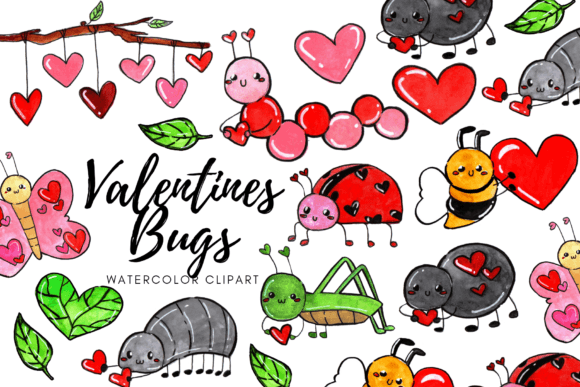
As a digital publisher and blog designer, I constantly evaluate new graphic design assets to determine if they can withstand the rigors of real-world content marketing. When I first opened the Watercolor Valentine Bug Clipart package, my immediate assessment focused on its editorial versatility rather than just its seasonal appeal. This collection of illustrations strikes a delicate balance between whimsical charm and professional polish, creating an immediate sense of warmth and organic authenticity. For publishers in the lifestyle, parenting, education, or creative niche, this asset avoids the plastic sheen of generic stock vectors, offering instead a hand-painted aesthetic that signals care and craftsmanship to the reader.
The mood established by these watercolor insects is distinctly feminine yet grounded, making it ideal for content that requires a soft touch without sacrificing visual authority. In my workflow testing, I found that the transparency and texture of the artwork allow it to integrate seamlessly into modern web design layouts. It does not scream "clip art" but rather whispers "custom illustration," which is a crucial distinction for building reader trust. When audiences perceive high-quality visual communication, they are statistically more likely to engage with the accompanying text, sign up for newsletters, or click through affiliate links. This asset supports that level of engagement by providing a cohesive visual language that feels intentional and curated.
Strategic Applications Across Publishing Workflows
In a real publishing environment, a graphic design asset must be multifunctional to justify its place in our library. The Watercolor Valentine Bug Clipart excels because it scales effectively across various content formats. During my review process, I utilized these illustrations to create featured images for blog posts about spring gardening, eco-friendly Valentine’s Day gifts, and nature-based learning activities. The soft edges of the bugs provide excellent negative space for headline text, ensuring that the typography remains legible while the imagery adds emotional context. This is essential for maintaining a strong visual hierarchy on article pages where readability directly correlates with time-on-page metrics.
Beyond standard blog graphics, this asset proved invaluable for Pinterest pin creation. Social media graphics on Pinterest require high contrast and clear focal points to stop the scroll. By placing a detailed watercolor beetle or butterfly against a solid pastel background with bold sans-serif typography, I was able to generate pins that felt fresh and clickable. The organic shapes of the illustrations break up the rigid grid of social feeds, drawing the eye naturally. For email marketers, these elements work beautifully as newsletter headers or divider lines, adding a seasonal accent that enhances brand identity without overwhelming the primary message or call-to-action buttons.
Elevating Digital Products and Lead Magnets
For creators monetizing through digital downloads, the perceived value of your product often hinges on its cover design. I tested these illustrations on mockups for a printable design checklist and a seasonal digital guide. The watercolor texture adds a layer of sophistication that flat vector art often lacks, helping to justify price points for paid resources. When designing lead magnets, such as a free Valentine’s activity sheet for teachers or parents, these bugs serve as engaging visual anchors that make the resource feel premium. In affiliate marketing contexts, using consistent custom illustrations like these helps distinguish your reviews and recommendations from competitors who rely on manufacturer-provided product photos, thereby strengthening your unique brand voice.
Furthermore, these assets are highly compatible with Canva template creation. Many small business owners and creative entrepreneurs purchase templates to streamline their own content production. Incorporating Watercolor Valentine Bug Clipart into editable templates allows end-users to achieve a professional look without hiring a custom illustrator. From a commercial design perspective, this increases the utility and resale potential of any template pack you might create. The key is ensuring the illustrations are positioned as decorative accents that enhance, rather than distract from, the user's customizable content areas.
Optimizing Visual Performance and User Experience
While the aesthetic quality is high, practical application requires careful consideration of placement. These illustrations perform best as hero image elements, category thumbnails for seasonal archives, and decorative accents within long-form content. They add necessary white space and visual rhythm to text-heavy articles, preventing reader fatigue. However, publishers should exercise caution when using them in specific contexts. Due to the intricate watercolor details, these graphics can lose definition when scaled down to very small mobile thumbnails or favicon sizes. Always test how the asset renders on actual devices before deploying it site-wide.
Additionally, avoid using these playful illustrations in serious corporate niches or minimalist technical blogs where the tone might clash with the subject matter. Visual consistency is paramount for brand identity; introducing a whimsical bug into a financial analysis post could confuse readers and dilute your authoritative voice. Similarly, be mindful of contrast ratios. Watercolors can sometimes appear washed out on bright white backgrounds or disappear against busy photographic textures. I recommend testing these assets against muted cream, soft pink, or sage green backgrounds to ensure they maintain their vibrancy and accessibility standards.
Technical Publisher Notes for Implementation
Before integrating Watercolor Valentine Bug Clipart into your live site or shop, run through this essential pre-publishing checklist to ensure optimal performance and legal compliance:
- File Optimization: Watercolor files can be large due to complex color data. Always compress PNGs using tools like TinyPNG or ShortPixel to maintain fast page load speeds, which is critical for SEO and user retention.
- Typography Pairing: Test the illustrations beside various font families. They pair exceptionally well with elegant serif fonts for a classic editorial look or clean sans-serifs for modern clarity. Avoid overly distressed handwritten fonts that compete with the brushstroke texture.
- Licensing Verification: Confirm the commercial license terms specifically regarding digital products and print-on-demand use. Ensure you have the right to use the asset in monetized affiliate content or bundled digital guides.
- Mobile Responsiveness: Preview your blog layout on a smartphone to ensure the clipart does not push critical text below the fold or cause horizontal scrolling issues.
- Accessibility: When using these as decorative elements, mark them as such in your alt text attributes. If they convey meaning (e.g., indicating a specific insect species in an educational post), provide descriptive alt text for screen readers.
- Color Consistency: Extract the dominant hex codes from the clipart to create a matching color palette for your website headers, buttons, and text highlights, ensuring a unified visual experience.
Ultimately, the Watercolor Valentine Bug Clipart represents a valuable addition to the creative marketplace for publishers who understand that great design is about more than just decoration. It is a strategic tool for enhancing communication, guiding user attention, and elevating the overall quality of digital content. Whether you are crafting a heartfelt blog post, designing a sellable printable, or refreshing your social media presence for the season, these illustrations offer the flexibility and professional finish required to succeed in today’s competitive content landscape. By applying thoughtful editorial judgment and technical best practices, you can transform this asset from a simple seasonal graphic into a cornerstone of your visual branding strategy.