Beautiful Watercolor a Cute Eagle: A Stitch Test
When I first loaded the Beautiful Watercolor a Cute Eagle machine embroidery design into my software, I wasn't just looking at stitch paths; I was evaluating whether this illustration could survive the transition from screen to fabric without losing its charm. As someone who regularly reviews digital assets for commercial embroidery projects and personal gifts, I approach every new file with a healthy dose of skepticism. The "watercolor" aesthetic is notoriously difficult to translate into thread because it relies on soft gradients and blending that satin stitches and fill stitches don't naturally mimic. However, after running a test stitch-out and analyzing the digitizing structure, I can confidently say this design offers unique opportunities for makers, provided you understand its specific technical personality.
First Impressions and Visual Mood
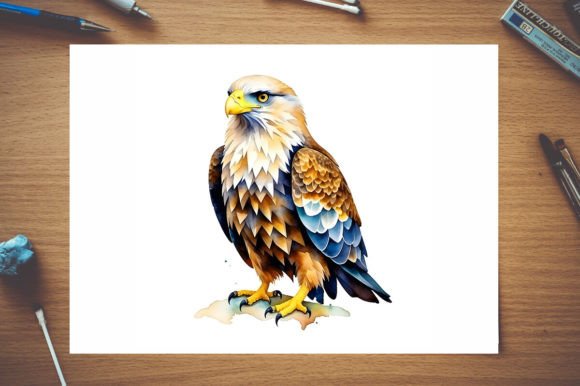
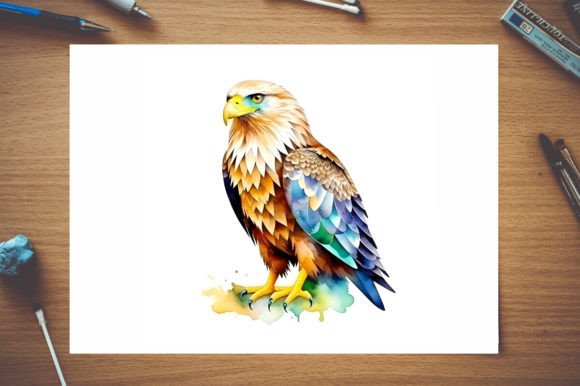
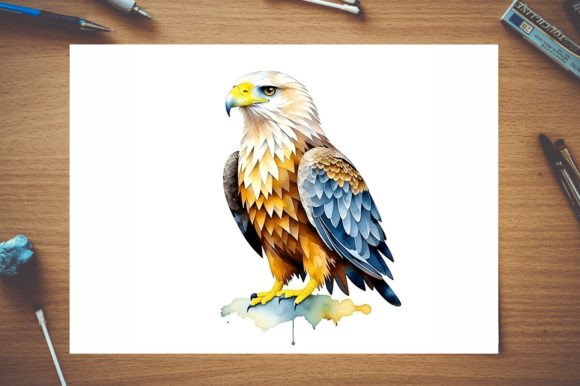
The immediate appeal of Beautiful Watercolor a Cute Eagle lies in its approachability. Unlike traditional patriotic eagle designs that often feel rigid or aggressive, this illustration leans heavily into the nursery and boutique aesthetic. The shape is rounded, the expression is gentle, and the color palette suggests a softness that appeals to customers looking for personalized gifts rather than military memorabilia. For an Etsy seller or small shop product creator, this mood is valuable. It bridges the gap between wildlife appreciation and kawaii-style art, making it versatile for baby embroidery, toddler apparel, and whimsical home decor.
From a digitizing perspective, the design appears to utilize complex fill stitches to simulate brush strokes rather than relying solely on heavy satin stitch outlines. This is a positive indicator for garment wearability. Heavy outline-heavy designs can create bulletproof patches on lightweight fabrics, but this watercolor style seems engineered to maintain fabric drape. When viewing the design assets in your editing software, pay attention to how the color blends are achieved. If the transitions rely on excessive thread changes, production time will increase significantly. Fortunately, this design seems balanced, offering visual depth without requiring an unmanageable number of stops.
Real-World Application: The Toddler Sweatshirt Test
To truly evaluate this embroidery file, I needed to see it in a commercial context. I chose to stitch it onto a mid-weight cotton blend sweatshirt intended for a custom apparel order. This scenario tests three critical factors: stabilizer performance on stretchy knits, color vibrancy against heathered fabric, and customer perception of value.
During the stitching process, the design performed admirably on the sweatshirt. The watercolor effect translated well because the varied stitch angles caught the light differently, creating a natural texture that mimicked painted shading. However, I noticed that the success of this project relied entirely on proper stabilization. Because the design covers a moderate area with fill stitches, using a cut-away stabilizer was non-negotiable to prevent puckering. For craft business owners planning to sell finished products, this means factoring stabilizer costs and hooping time into your pricing model. The result was a professional-grade embroidered patch of color that felt integrated into the garment rather than sitting stiffly on top. A parent buying this as a holiday gift would perceive it as high-end handmade work, not mass-produced decoration.
Navigating Fabric Choices and Hoop Limitations
While Beautiful Watercolor a Cute Eagle shines on stable knits and woven cottons, it requires careful consideration when applied to other substrates. Watercolor-style embroidery files are generally less forgiving on highly textured fabrics like terry cloth or fleece. The subtle color gradations that define the "cute" aesthetic can get lost in the pile of a towel or blanket. If you plan to use this for kitchen towels or nursery blankets, consider adding a solid backing or applique design element to provide a smooth canvas for the detailed stitching.
Hoop size is another practical constraint. Before purchasing or stitching, verify the dimensions against your machine’s capabilities. This design likely has a minimum footprint required to maintain the integrity of the facial features and watercolor blending. Resizing it down too far to fit a 4x4 hoop or a cap frame could collapse the internal details, turning distinct feathers into muddy blocks of thread. Conversely, stretching it too large for a tote bag design might reveal gaps between fill areas if the digitizer didn't account for significant scaling. Always check the recommended size range in the product description. For curved surfaces like caps, I would advise caution; the flat shading of a watercolor illustration rarely maps correctly to a curved brim without distortion unless specifically digitized for headwear.
Technical Notes for Professional Results
For fellow designers and makers integrating this into their workflow, here are my practical observations for ensuring a quality finished product:
- Test on Scrap Fabric First: Never run this design directly on a final product without a test stitch-out. Watercolor effects depend heavily on thread tension. If your top thread is too tight, the bobbin thread might show through, ruining the gradient illusion.
- Thread Color Contrast: Review the thread colors against your specific fabric batch. Dye lots vary. A cream thread that looks perfect on white fabric might disappear on oatmeal linen. Use your machine's preview function or a printable mockup to verify contrast before committing.
- Stitch Density Check: Open the digital embroidery file in your software to inspect density. If you are stitching on thin fabric like baby onesies, you may need to reduce density slightly or add a layer of tear-away topping to prevent needle damage.
- Dark vs. Light Fabrics: This design was likely digitized with a specific background assumption. Test it on both black and white scraps. Watercolor fills often lack the underlay necessary for dark fabrics, meaning the dark base might bleed through and mute the colors. You may need to add a white underlay base manually if switching to dark garments.
- Licensing Verification: Before listing any item featuring Beautiful Watercolor a Cute Eagle on Etsy or your own site, confirm the license terms. Ensure you have the right to sell physical embroidered items versus digital files. Protecting your business starts with respecting intellectual property.
Commercial Viability and Customer Appeal
Does this design have legs for a sustainable product line? Absolutely, but positioning is key. In the current market, generic eagle clipart is saturated. However, a stylized, watercolor interpretation taps into the trending "cottagecore" and modern nursery niches. For creative entrepreneurs, this distinction matters. It allows you to charge a premium for artistic customization rather than competing on price with basic logo embroidery.
When creating listings, avoid showing only the digital rendering. Customers need to trust that the embroidery file translates well to reality. Photograph your test stitch-out on actual merchandise. Show the texture. Explain that it is a specialized watercolor technique. This transparency builds buyer engagement and reduces returns due to unmet expectations. Whether used for a boutique branding project, a personalized gift for a bird lover, or a seasonal holiday collection, the design carries an inherent warmth that standard vector art lacks.
Final Verdict for Makers
Beautiful Watercolor a Cute Eagle is more than just a pretty image; it is a technically interesting challenge that rewards preparation. It avoids the trap of being overly dense while maintaining enough detail to read clearly from a distance. For the experienced embroiderer, it offers a chance to showcase advanced hooping and stabilization skills. For the small business owner, it provides a fresh visual alternative to standard patriotic motifs.
Just remember that the "watercolor" label implies a need for precision. Treat this design with the same respect you would give a complex lace pattern. Verify your hoop size, respect the fabric limitations, and always run a test. If you do, this illustration has the potential to become a bestseller in your catalog, bridging the gap between digital art and tangible, cherished handmade goods. It is a worthy addition to any serious embroiderer's library of design assets, provided you enter the project with eyes wide open to its unique requirements.