Watercolor Wildflowers PNG: An Embroidery Review
As a professional embroidery designer and product reviewer, I approach every new digital asset with a critical eye. When evaluating Watercolor Clipart, Wildflowers, PNG for potential use in machine embroidery projects, my first question is always about translatability. A beautiful illustration on a screen does not automatically guarantee a successful stitch-out on fabric. Watercolor aesthetics rely on soft edges, color blending, and transparency, which are fundamentally different from the structured nature of thread. After reviewing this specific wildflower collection, I see significant potential for handmade products and commercial embroidery, provided the digitizing process respects the original artistic intent.
First Impressions and Artistic Mood
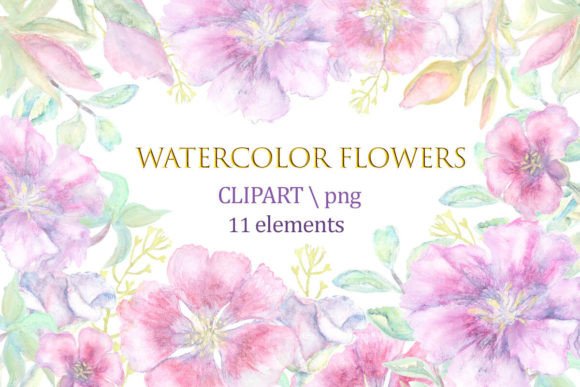
The visual personality of these wildflower illustrations immediately evokes a sense of organic nostalgia and cottagecore charm. Unlike rigid vector art, the watercolor style offers a softer, more romantic silhouette that appeals strongly to current market trends. For an Etsy seller or boutique owner, this aesthetic signals "handmade" and "artisanal" before the customer even touches the finished product. The layout feels natural rather than manufactured, with varying petal sizes and stem curves that mimic real botanical growth.
However, as an embroiderer, I am looking past the pretty colors to the underlying structure. The success of this machine embroidery design will depend entirely on how the digitizer interprets those soft washes of color. If the design relies too heavily on dense fill stitches to replicate the paint, it risks becoming stiff and bulletproof. Conversely, if it uses too many running stitches without adequate underlay, the fabric texture might distort the delicate floral shapes. This clipart serves as an excellent base, but it demands a thoughtful approach to stitch type selection to maintain its ethereal quality.
Real-World Application: The Custom Tote Bag Test
To truly evaluate the viability of Watercolor Clipart, Wildflowers, PNG, I mentally placed it into a real-life production scenario: creating a custom embroidered tote bag for a spring craft fair. Tote bags are a staple for small shop products because they offer a large, flat canvas perfect for showcasing detailed illustrations. Canvas is also forgiving, holding up well to the stitch density often required for watercolor effects.
In this scenario, I envision using the wildflower cluster as a central focal point, perhaps paired with a simple serif font for personalization. The challenge here is contrast. Watercolor designs often feature mid-tone values that can disappear against unbleached natural canvas. As a designer, I would need to ensure the thread colors selected have enough saturation to stand out against the fabric texture. I would likely incorporate a mix of satin stitch for the petals to catch the light and replicate the sheen of wet paint, while using lighter fill stitches for the leaves to create depth. This combination elevates the item from a basic accessory to a premium personalized gift that justifies a higher price point.
Navigating Fabric Challenges and Hoop Limitations
While tote bags are ideal, many makers want to apply these designs to apparel like sweatshirts or baby clothes. This is where caution is necessary. Watercolor-style embroidery files can be deceptively dense. If you are planning sweatshirt embroidery, you must verify the stitch count and density before committing to a production run. Heavy knits already have texture; adding a dense floral design can cause puckering or make the garment uncomfortable to wear.
For baby embroidery or lightweight linens, the concerns shift to stability. Delicate fabrics cannot support heavy stitch loads without proper backing. I always recommend testing on scrap fabric first with the exact stabilizer combination you plan to use for the final product. Additionally, consider the hoop size. These wildflower illustrations likely have intricate details at the edges. If you attempt to shrink the design down to fit a 4x4 hoop, those delicate watercolor transitions may turn into muddy blobs of thread. It is often better to use the design at its intended scale or choose a simplified version for smaller applications like caps or pockets.
Commercial Viability and Customer Perception
For creative entrepreneurs and digital product sellers, the value of this asset extends beyond a single project. High-quality botanical illustrations are evergreen. They work for holiday embroidery, wedding gifts, and everyday nursery decor. However, customer trust is built on consistency. If your listing photos show a vibrant, crisp flower but the actual finished product looks flat or loses detail due to poor digitizing choices, returns and negative reviews will follow.
When using Watercolor Clipart, Wildflowers, PNG for commercial embroidery, presentation is key. Use printable mockups that accurately reflect the texture of embroidery, not just the flat digital image. Buyers need to understand that thread has dimension. Furthermore, always confirm licensing terms before selling. Just because you purchased the PNG does not automatically grant the right to sell the digitized embroidery file itself or unlimited physical products. Clarifying whether this is for personal use, limited commercial use, or extended licensing protects your business and respects the original illustrator.
Essential Designer Notes for Successful Stitch-Outs
Before loading this design into your machine, run through this practical checklist to ensure professional results:
- Test on Scrap Fabric: Never stitch a complex watercolor design directly onto a final garment without a test run. Check for registration issues where color blocks meet.
- Evaluate Thread Contrast: View your thread palette in natural light. Watercolor designs fail when adjacent colors are too similar in value. Ensure distinct separation between petals, centers, and foliage.
- Check Stabilizer Compatibility: Match your backing to the fabric weight. Cut-away stabilizer is usually superior for knits and detailed florals to prevent distortion during washing.
- Inspect Small Details: Zoom in on the digital embroidery file. Are tiny stems represented by single running stitches? These may break or get lost in the fabric weave. Consider widening them slightly in your editing software.
- Mockup in Black and White: Remove color from your preview to check tonal balance. If the design looks flat in grayscale, it will lack depth when stitched, regardless of thread color.
- Verify Licensing: Double-check if the license covers the specific end-use you intend, especially if selling digital embroidery files derived from this PNG.
Final Thoughts on Value and Versatility
Watercolor Clipart, Wildflowers, PNG represents a beautiful intersection of digital art and textile craft. Its strength lies in its emotional resonance and versatility across various handmade products. Whether you are creating an embroidered patch for denim jackets or designing a line of tea towels for your online shop, this botanical theme offers timeless appeal.
Success, however, requires treating the source material with technical respect. The transition from pixel to stitch is an act of translation, not merely copying. By paying attention to density, fabric choice, and color theory, you can transform these lovely illustrations into tangible goods that customers cherish. Always prioritize the integrity of the stitch-out over speed, and your work will reflect the professionalism that defines a sustainable craft business.