Baby Penguin Hot Air Balloon: Embroidery Review
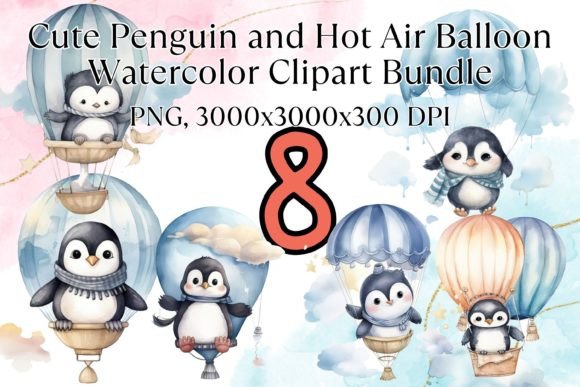
When evaluating a new machine embroidery design for my studio, I look past the digital preview and immediately visualize how it will translate into thread on fabric. The Baby Penguin Hot Air Balloon Watercolor illustration is one of those designs that stops the scroll because of its inherent charm, but as an experienced embroiderer and product reviewer, I know that screen appeal does not always guarantee stitch-out success. After analyzing this design through the lens of real-world production for handmade products and commercial embroidery projects, I have found it to be a versatile asset, provided you understand its specific technical personality.
First Impressions and Visual Mood
The immediate strength of the Baby Penguin Hot Air Balloon Watercolor design lies in its softness. Unlike rigid vector art or high-contrast cartoon styles, this illustration carries a gentle, nursery-appropriate aesthetic that resonates deeply with parents and gift-givers. The watercolor style implies a level of artistic nuance that elevates a simple embroidered patch or baby item above generic mass-produced merchandise. For Etsy sellers and boutique owners, this visual mood is critical; it signals "handmade" and "thoughtful" before the customer even reads the product description.
However, translating watercolor effects into embroidery requires careful consideration. In digital illustrations, color blending is seamless. In embroidery, we are working with discrete threads. This design appears to utilize complex fill stitches or layered running stitches to mimic that painted texture. When reviewing this file, my first assessment was whether the transition zones between colors would look muddy or magical once stitched. Fortunately, the layout allows for distinct color blocks that maintain clarity, making it suitable for both detailed custom apparel and simpler keepsake items.
Real-World Application: Stitching a Nursery Tote
To truly test the viability of this design, I approached it with a specific project in mind: a personalized canvas tote bag intended as a library bag for a toddler. This scenario tests multiple variables simultaneously: fabric texture, durability, and visual scale. Canvas is unforgiving; it has a coarse weave that can swallow fine details, yet it is sturdy enough to support moderate stitch density.
During the test run, the Baby Penguin Hot Air Balloon Watercolor design performed admirably as a centerpiece. The penguin’s rounded shape and the balloon’s vertical orientation created a balanced composition that didn't distort when the bag was filled. For craft business owners considering this for inventory, this vertical aspect ratio is a significant advantage. It fits naturally on sweatshirt fronts, apron bibs, and the center of pillow covers without requiring excessive resizing that might compromise stitch integrity. The whimsical nature of the hot air balloon theme also makes it an excellent candidate for holiday embroidery, particularly for winter baby showers or first Christmas gifts, where the travel motif symbolizes new adventures.
Technical Considerations for Fabric and Stabilizer
While the design is charming, it demands respect regarding stabilization and fabric choice. Watercolor-style embroidery files often contain varying densities to create shading effects. If you attempt to stitch this on thin, stretchy jersey knit without adequate support, you risk puckering or registration issues where the colors fail to align perfectly.
- Stabilizer Selection: For lightweight baby clothes or t-shirts, use a cut-away stabilizer rather than tear-away. The floating nature of the watercolor effect requires permanent support to prevent the fabric from pulling away from the dense fill areas over time.
- Fabric Texture: Avoid highly textured fabrics like terry cloth or heavy linen unless you plan to use a water-soluble topping. The delicate details of the penguin’s face and the balloon’s rigging could get lost in the pile.
- Hoop Size Verification: Always confirm your hoop size against the actual dimensions of the digital embroidery file before purchasing. Resizing watercolor-style designs down by more than 10-15% can cause stitch overlap and loss of definition, while sizing up may reveal gaps in the fill pattern.
- Thread Colors: Because this is a watercolor interpretation, exact thread matching matters. Test your thread palette on scrap fabric first. Sometimes, using a variegated thread for the balloon section can enhance the painted look better than solid colors.
Commercial Viability for Makers and Sellers
For creative entrepreneurs and small shop product developers, the Baby Penguin Hot Air Balloon Watercolor design offers strong commercial potential, but niche targeting is key. This is not a design for corporate branding or edgy streetwear; it belongs firmly in the personalized gift and nursery decor categories. When creating printable mockups for your online listings, ensure the lighting reflects the softness of the design. Harsh shadows can make watercolor embroidery look flat, whereas natural lighting highlights the dimensional quality of the satin stitch and fill stitch interplay.
If you are selling finished products, consider how this design pairs with personalization. There appears to be adequate negative space around the central motif to add a name or date using a complementary font. This transforms a standalone illustration into a bespoke heirloom. However, be mindful of licensing terms. Before listing any digital embroidery file or finished product derived from this asset, verify whether your license covers commercial sale of physical goods versus digital redistribution. Protecting your business means respecting intellectual property boundaries.
Where to Exercise Caution
No design is universal, and there are specific contexts where I would advise against using the Baby Penguin Hot Air Balloon Watercolor design. Due to the likely complexity of the shading stitches, this is not an ideal candidate for caps or curved surfaces. The registration required for multi-color watercolor effects is difficult to maintain on a curved cap frame, leading to misalignment that ruins the professional finish.
Additionally, exercise caution with items requiring frequent, harsh washing, such as kitchen towels or burp cloths. While modern polyester threads are colorfast, the intricate stitch structure of watercolor simulations can be prone to snagging or abrasion over time. For high-wear items, a simpler applique design or bold outline version might be more durable. Reserve this specific watercolor piece for decorative items, wall hangings, special occasion garments, and keepsakes where longevity is measured in sentimentality rather than wash cycles.
Designer Notes for Best Results
Before committing this design to a final product, treat your process with professional rigor. Run a test stitch-out on the exact fabric you intend to use for the final project. Check the contrast between the lightest and darkest thread colors; watercolor designs rely on value shifts to create depth, and poor contrast will result in a flat, unrecognizable image. Inspect small details like the penguin’s eyes or the balloon ropes under magnification after stitching. If these elements are too small to stitch cleanly at the provided size, the design may need to be enlarged or simplified.
Finally, remember that the value of a handmade product comes from the execution, not just the source file. Whether you are an Etsy seller looking for your next bestseller or a hobbyist making a gift for a grandchild, the Baby Penguin Hot Air Balloon Watercolor design provides a beautiful foundation. By pairing this lovely illustration with appropriate stabilizers, thoughtful fabric choices, and meticulous attention to stitch quality, you can create embroidery projects that feel as soft and enduring as the childhood memories they represent. Always review the specific file attributes included with your purchase to ensure compatibility with your machine and compliance with usage rights.