Cute Dabbing Donkey Watercolor: An Embroidery Review
As a professional embroidery designer and product reviewer, I approach every new machine embroidery design with a critical eye toward stitchability and marketability. When evaluating the Cute Dabbing Donkey Watercolor file, my first thought was not just about its visual charm, but how those watercolor aesthetics would translate into physical thread on fabric. In the category of Illustrations, this design stands out for its playful, meme-inspired pose combined with a soft artistic rendering. However, moving from a digital screen to a tangible handmade product requires understanding how color blending and stitch types interact. This review breaks down my practical assessment of using this design for real-world projects, specifically focusing on its viability for small business owners and serious crafters.
Translating Watercolor Aesthetics to Thread
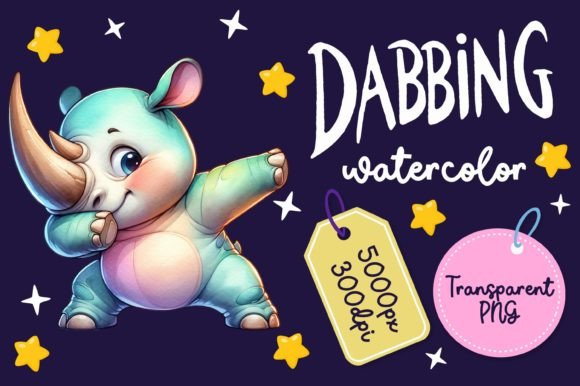
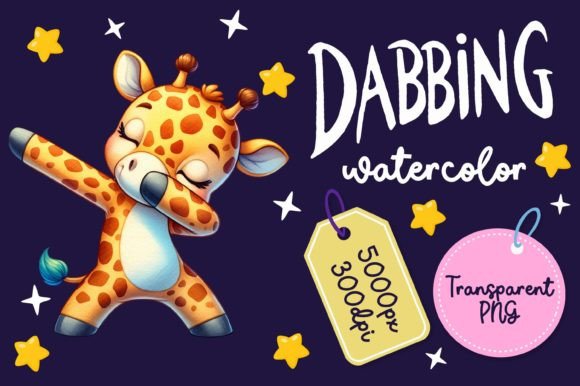
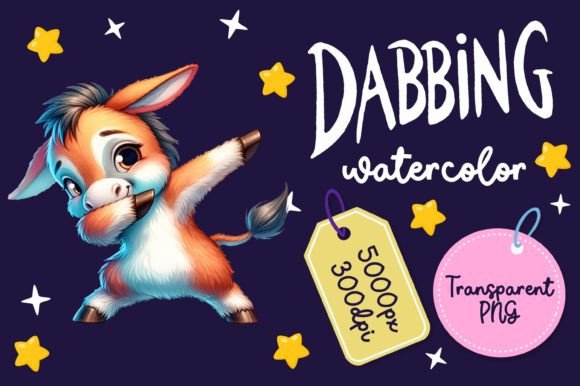
The immediate appeal of Cute Dabbing Donkey Watercolor lies in its personality. The "dabbing" gesture gives it a humorous, contemporary edge that resonates with younger demographics or anyone appreciating internet culture, while the watercolor style softens the image, making it appropriate for nursery decor or whimsical apparel. From a technical perspective, achieving a true watercolor look in embroidery is challenging. Unlike vector art, watercolor relies on gradients and transparency. As an embroiderer, you must verify if the embroidery file utilizes specialized shading techniques or complex fill stitch layering to mimic paint bleeds.
If the digitizer has successfully captured this effect, the result is a high-value asset. If they have simply used flat blocks of color, the design may lose its namesake charm upon stitching. For my evaluation, I look for smooth transitions between thread colors. A successful watercolor embroidery design avoids harsh outlines where possible, often using running stitch or tonal shading to define edges rather than heavy satin borders. This distinction is vital because heavy outlines can make a delicate illustration feel stiff and industrial, whereas the goal here is organic softness.
Real-World Application: The Custom Sweatshirt Test
To truly judge this design, I mentally placed it in a specific production scenario: creating a custom embroidered sweatshirt for an Etsy shop targeting Gen Z buyers and young parents. Sweatshirts are a staple for custom apparel, but their fleece backing and stretchy knit structure present unique challenges. The Cute Dabbing Donkey Watercolor design, with its likely moderate density, fits well here, provided the right preparation is taken.
In this scenario, the design serves as a centerpiece on the chest or a smaller accent on the sleeve. The humor of the dabbing donkey creates instant engagement, which is crucial for social media marketing and printable mockup presentations. However, when stitching on fleece, texture is the enemy of detail. I would recommend testing the design on a scrap piece of similar weight fabric first. If the watercolor details are too fine, they might get lost in the nap of the sweatshirt. In such cases, placing a water-soluble topping is non-negotiable to keep the stitches crisp. For a small shop product, this level of quality control ensures that the finished product matches the digital preview, maintaining customer trust and reducing returns.
Navigating Fabric Limitations and Hoop Sizes
While versatile, Cute Dabbing Donkey Watercolor demands careful placement. Not all fabrics are created equal, and this illustration style has specific preferences. On textured fabrics like linen tea towels or terry cloth kitchen towels, the subtle color variations of a watercolor effect can become muddy. These items are popular for holiday embroidery and gifts, but if the design relies on light pastel shading, it may lack contrast against natural fibers. Conversely, on dark fabrics, the design requires a white underlay base to prevent the fabric color from bleeding through the lighter threads, which adds significant stitch density.
Hoop size is another critical factor. Watercolor designs often require larger stitch areas to render gradients effectively. Attempting to shrink this design down for a tiny 4x4 hoop or a cap could destroy the integrity of the illustration. Details like the donkey’s facial expression or the feathering on the hooves need space to breathe. If you are planning baby embroidery for onesies or bibs, ensure the scaled-down version retains clarity. Sometimes, it is better to choose a simpler, solid-fill design for miniature applications and reserve Cute Dabbing Donkey Watercolor for larger canvases like tote bags, pillow covers, or adult-sized garments where the artistic nuance can be fully appreciated.
Commercial Viability for Makers and Sellers
For Etsy sellers and creative entrepreneurs, time is money. A design that requires constant troubleshooting eats into profit margins. Cute Dabbing Donkey Watercolor appears to be a strong candidate for commercial use due to its niche crossover appeal—it is funny yet aesthetically pleasing. This duality allows it to fit into multiple categories, from quirky teen fashion to farm-themed nursery decor. When listing products featuring this design, emphasize the unique handcrafted nature of the embroidery. Buyers value the tactile quality of thread over printed vinyl, especially for personalized gift items.
However, always confirm the licensing terms of the digital embroidery file before selling. Some designers allow sales of finished physical products but prohibit the resale or sharing of the file itself. Additionally, consider how this design pairs with others in your inventory. Does it match the stitch style of your other barnyard animals? Consistency in design assets helps build a recognizable brand identity. If you offer commercial embroidery services for local boutiques, this design could serve as a trendy seasonal option, but be prepared to educate clients on why certain fabric choices work better than others for this specific art style.
Essential Technical Checks Before Stitching
Before committing Cute Dabbing Donkey Watercolor to your final project material, run through this practical checklist to ensure professional results:
- Verify Stabilizer Choice: Watercolor designs can be dense. Use a high-quality cut-away stabilizer for stretchy knits to prevent puckering, and consider a tear-away for stable wovens only if the density is low.
- Check Thread Contrast: View the design in black and white within your embroidery software. If the values look identical, the watercolor effect will fail physically even if it looks good digitally.
- Inspect Small Details: Zoom in to 100% in your software. Are there jump stitches across open areas? Is the text (if any) legible at the intended size? Clean up any unnecessary trims to save production time.
- Test on Target Fabric: Never assume a design works universally. Stitch a sample on the exact fabric and with the exact stabilizer combo you plan to use for the final embroidered patch or garment.
- Evaluate Washability: If this is for baby clothes or kitchen linens, wash the test swatch. Watercolor shading sometimes uses loose stitching that can snag or unravel if not secured properly during digitizing.
Final Thoughts on Design Integrity
Cute Dabbing Donkey Watercolor offers a delightful blend of modern humor and classic needlework potential. It bridges the gap between viral trends and traditional crafting, making it a valuable addition to a maker's library. Success with this design hinges on respecting the technical requirements of translating paint to thread. By paying attention to fabric texture, stabilizer selection, and appropriate sizing, you can elevate this illustration from a cute digital file to a premium handmade product. Whether you are crafting a one-of-a-kind gift or stocking your online store, approaching this design with professional diligence ensures that the final stitched result honors both the original artwork and your reputation as a skilled embroiderer.