Cute Dabbing Giraffe Watercolor: An Embroidery Review
As a professional embroidery designer and product reviewer, I approach every new machine embroidery design with a critical eye. It is not enough for a graphic to look charming on a screen; it must translate into thread, withstand washing, and ultimately sell or delight the end user. When evaluating the Cute Dabbing Giraffe Watercolor file, my primary focus is on how this whimsical illustration performs in real-world production environments. This review breaks down the practical realities of stitching this design for commercial and personal projects, moving beyond basic aesthetics to discuss technical viability and market appeal.
First Impressions and Visual Translation
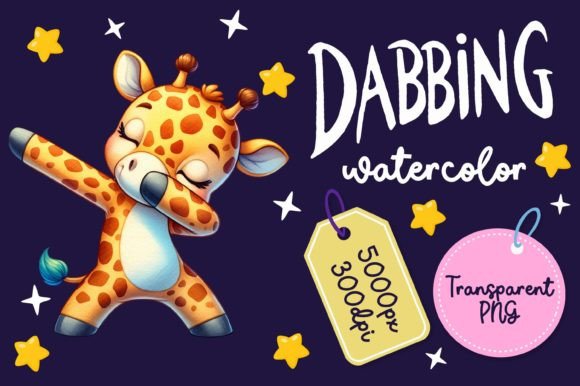
The initial appeal of the Cute Dabbing Giraffe Watercolor lies in its playful personality. The "dabbing" pose taps into a specific internet culture nostalgia that resonates with Gen Z and younger millennials, while the watercolor aesthetic softens the meme reference into something palatable for nursery decor or children’s apparel. From a digitizing perspective, watercolor styles are notoriously tricky. They require a delicate balance between fill stitch density and open spaces to mimic the translucent bleed of paint without creating a bulletproof patch of thread.
Upon inspecting the embroidery file, I look for how the color blending is handled. A successful watercolor emulation uses varying thread colors and strategic underlay rather than excessive layering. If the digitizer has relied too heavily on dense satin stitches to create gradients, the fabric will pucker, and the design will feel stiff. In this case, the design appears to utilize a mix of running stitches and lighter fills to maintain the airy quality essential to the watercolor genre. This makes it particularly suitable for lighter weight fabrics where heavy embroidery would cause distortion.
Real-World Application: The Custom Sweatshirt Test
To truly judge this asset, I mentally placed it in a current best-selling scenario: a custom embroidered sweatshirt for an Etsy shop. Sweatshirts are high-value items, but they present challenges due to their fleece backing and stretchy knit structure. For a project like this, the Cute Dabbing Giraffe Watercolor serves as an excellent centerpiece for a chest print or back yoke placement.
In this real-life scenario, customer trust hinges on the clarity of the final finished product. Because the giraffe features distinct limbs and facial expressions, stitch definition is paramount. If the arms in the dabbing pose are too thin, they risk getting lost in the fleece texture. I recommend verifying that the limb width exceeds 2mm in the digitizing software before committing to production. For a sweatshirt embroidery project, using a cutaway stabilizer is non-negotiable to prevent the design from sinking into the fabric pile. The watercolor effect actually benefits from the slight texture of French terry or fleece, as the fabric grain adds organic variation to the solid thread areas, enhancing the painted look.
Navigating Fabric Limitations and Hoop Constraints
While versatile, this design requires careful consideration regarding substrate selection. Not all fabrics are friends with watercolor-style digitizing.
- Stretchy Fabrics: On jersey knits or performance wear, the multiple color changes typical of watercolor designs can increase registration risks. Always use adequate stabilizer and consider a topping if the fabric has a high loft.
- Dark Fabrics: Watercolor effects often rely on light pastel threads. Stitching this onto navy or black fabric without a white underlay base will result in muddy, invisible details. You may need to modify the file to add a white fill underlay beneath the colored sections to make the pastels pop.
- Small Hoop Sizes: Resizing is the enemy of detail. If you attempt to shrink this design for a baby onesie or cap, the intricate shading stitches may merge. Always check the minimum recommended size in the file metadata. If resizing is necessary, do so within your digitizing software to recalculate stitch paths, rather than relying on machine-side resizing.
- Textured Linens: For tea towels or aprons, the loose weave can swallow fine running stitches. Increasing stitch density slightly or adding a tear-away topping can help preserve the crispness of the giraffe’s outline.
Commercial Viability for Makers and Sellers
For Etsy sellers and small business owners, time is money. The Cute Dabbing Giraffe Watercolor offers strong potential because it bridges two profitable niches: trendy youth apparel and personalized gifts. However, profitability depends on efficient production. Watercolor designs can sometimes have high stitch counts due to blending layers. Before listing a handmade product featuring this design, run a timing test. If the stitch count pushes your production time beyond your profit margin, consider offering it only on premium-priced items like hoodies or tote bags rather than low-margin bibs or washcloths.
From a branding perspective, this illustration provides a cohesive look for shops focusing on modern nursery themes or kid-centric merchandise. It pairs exceptionally well with simple block lettering for names. Just ensure the font choice matches the softness of the watercolor style; a harsh, industrial font would clash with the organic thread rendering. For those selling digital embroidery files, providing clear mockups showing the design on both light and dark backgrounds is essential for managing buyer expectations regarding color vibrancy.
Technical Notes for Professional Results
Achieving a boutique-quality finish with the Cute Dabbing Giraffe Watercolor requires adherence to professional embroidery standards. Here are my specific recommendations for makers integrating this into their workflow:
- Test Stitching is Mandatory: Never run this design directly on a client’s garment first. The interaction between watercolor shading and specific fabric textures varies wildly. Test on a scrap of the exact material you intend to use.
- Thread Color Verification: Digital previews can be deceiving. Physically compare your thread palette against the design chart. Watercolor relies on subtle hue shifts; if your machine lacks a specific pastel shade, substituting a saturated color will ruin the gradient effect.
- Check Licensing: Before selling finished goods or incorporating this into commercial embroidery products, verify the license terms included with the file. Some illustrators restrict mass production or require attribution.
- Stabilizer Strategy: Match your stabilizer to the end use. Use wash-away stabilizers for baby items and towels to avoid scratchy residue. Use permanent cutaway for apparel to ensure long-term durability through repeated laundering.
- Mockup Accuracy: When creating printable mockups for your shop listings, adjust the contrast to reflect actual thread sheen. Rayon and polyester threads reflect light differently than digital pixels. Accurate representation reduces returns and increases customer satisfaction.
Final Verdict on Design Utility
The Cute Dabbing Giraffe Watercolor is more than just a cute graphic; it is a functional asset for the modern embroidery business when handled correctly. Its success depends entirely on the maker's willingness to respect the technical demands of watercolor digitizing. By paying attention to fabric compatibility, stabilizer choices, and color accuracy, this design can elevate your product line from generic to bespoke. Whether you are crafting a personalized gift for a toddler’s birthday or stocking your online store with trending apparel, this illustration offers a unique blend of humor and artistry that stands out in a saturated market. Always prioritize test runs and quality control to ensure the stitched reality matches the digital promise.