Cute Dabbing Rhino Watercolor: An Embroidery Review
When evaluating a new machine embroidery design for my studio, I look past the digital preview and immediately visualize how it will translate into physical thread. The Cute Dabbing Rhino Watercolor illustration is a prime example of a graphic that bridges the gap between modern internet culture and traditional needlework. As a designer who frequently creates custom apparel and nursery items, I see this specific artwork as more than just a novelty; it is a versatile asset that requires thoughtful execution to maintain its charm in stitched form.
The watercolor aesthetic presents a unique challenge and opportunity for embroiderers. Unlike flat vector art, watercolor relies on soft edges, gradients, and organic blending. When digitized correctly, this style avoids the stiff, bulletproof feel of standard fill stitch areas. Instead, it should utilize varied stitch angles and lighter densities to mimic the fluidity of paint. For those of us running a craft business or managing an Etsy shop, understanding how this design behaves on fabric is the difference between a professional finished product and a puckered mess.
Translating Soft Art to Stitched Reality
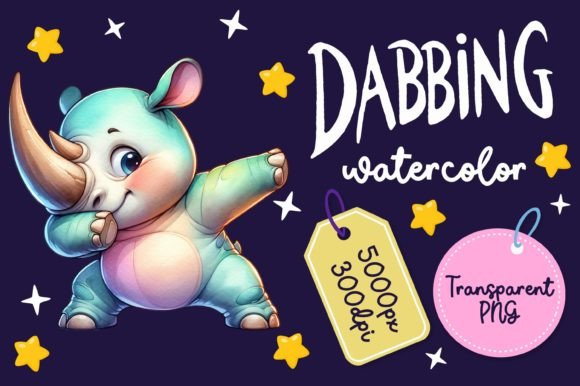
My first impression of the Cute Dabbing Rhino Watercolor is its playful juxtaposition. You have a heavy, grey animal performing a delicate, trendy human gesture, rendered in a soft, artistic medium. This contrast is exactly what sells in the current market for personalized gifts and boutique merchandise. However, translating watercolor textures into an embroidery file demands scrutiny. I always check if the digitizer has used excessive underlay or dense satin stitches to define the rhino’s outline. In watercolor styles, harsh outlines can kill the mood. Ideally, the edges should be defined by color changes and running stitches rather than heavy borders.
For Etsy sellers and makers, the visual appeal of this design lies in its approachability. It does not take itself too seriously, which makes it perfect for Gen Z and Millennial buyers looking for ironic yet wholesome decor. Whether you are creating a sweatshirt embroidery project or a subtle accent on a denim jacket, the design needs to retain that hand-painted illusion. If the stitch density is too high, the watercolor effect vanishes, leaving you with a standard cartoon patch. Always review your digital embroidery file properties to ensure the texture remains breathable and fabric-friendly.
Real-World Application: The Nursery Tote Test
To truly judge this design, I recently tested it for a real-life scenario: a custom canvas tote bag intended as a gift for a new mom who loves quirky art. This project required the Cute Dabbing Rhino Watercolor to hold up against the coarse fabric texture of natural canvas while remaining soft enough to fit a nursery aesthetic. Canvas is unforgiving; it eats fine details and highlights poor stabilization.
During the test run, I focused on how the rhino’s "dabbing" arms rendered. These limbs are thinner and require precision. On a tote bag design, structural integrity is key. I found that using a medium-weight cutaway stabilizer was non-negotiable to prevent the canvas grain from distorting the watercolor shading. The result was a handmade product that felt high-end rather than mass-produced. For small shop products, this level of quality builds customer trust. Buyers can tell when a maker has respected the source material and adapted it specifically for the substrate, rather than blindly stitching a generic file.
Navigating Fabric Choices and Hoop Limitations
While this illustration is versatile, it is not immune to technical limitations. As an experienced reviewer, I must advise caution when applying Cute Dabbing Rhino Watercolor to certain materials. Stretchy fabrics like jersey knits or ribbed baby onesies require extra attention. The watercolor fill stitches, if too dense, can cause tunneling on lightweight cottons. For baby embroidery projects, comfort is paramount. You may need to reduce the density manually or add a layer of soft mesh stabilizer to keep the back of the garment smooth against sensitive skin.
Furthermore, consider your hoop size before committing to a placement. Watercolor designs often rely on negative space and subtle background splashes to create depth. Cropping this design too tightly to fit a smaller hoop might sever those artistic elements, making the rhino look floating or disjointed. Conversely, scaling it up significantly for a large sweatshirt embroidery or pillow cover can expose gaps in the shading if the original digitization wasn't intended for enlargement. Always print a 1:1 paper template to visualize the actual footprint on your garment before hooping.
Dark fabrics also present a hurdle. Watercolor effects typically assume a white or light background to show transparency. If you plan to stitch this on black or navy apparel, verify that the thread colors include a white underlay or base layer. Without it, the pastel tones will sink into the dark fabric, losing the vibrant, airy quality that defines the style. This is a critical step for maintaining brand consistency across different custom apparel colorways.
Commercial Viability and Product Value
For creative entrepreneurs, the Cute Dabbing Rhino Watercolor offers strong commercial potential, provided it is marketed correctly. In the realm of commercial embroidery, niche humor combined with high-quality aesthetics drives sales. This design works exceptionally well for holiday embroidery gifts, teacher appreciation items, or even as a fun embroidered patch for backpacks. The key to maximizing value is presentation. Do not just photograph the hoop; show the design in context.
Creating a professional printable mockup or staging a lifestyle photo helps buyers understand the scale and texture. When customers see the design on a realistic small shop product, they can better envision owning it. This reduces hesitation and increases conversion rates. Additionally, because this falls under the category of Illustrations, it pairs beautifully with coordinating typography. Adding a simple name or date in a complementary font can transform a standalone graphic into a premium personalized gift, allowing you to charge a higher price point for the customization service.
Essential Designer Notes for Success
Before you load this design into your machine for a client order or inventory stock, run through this practical checklist to ensure professional results:
- Test on Scrap Fabric: Never stitch a complex watercolor design directly onto a final product without a test run. Use a scrap piece of the exact same material and stabilizer combination to check for registration issues or puckering.
- Verify Licensing: Confirm whether your purchase includes commercial rights for selling finished goods versus just personal use. This is vital for Etsy sellers and business owners to avoid legal pitfalls.
- Check Thread Contrast: Watercolor relies on subtle color shifts. Ensure your machine threads match the palette accurately. Mismatched shades can make the design look muddy or flat.
- Inspect Small Details: Zoom in on the embroidery file to check the rhino’s facial features and fingers. If details are smaller than 1mm, they may not stitch out clearly on textured fabrics.
- Evaluate Stabilizer Needs: Match your stabilizer to the fabric weight. Use tear-away for stable woven fabrics and cut-away for stretchy knits or heavy-use items like aprons and bags.
- Mockup in Black and White: Viewing the design in grayscale helps identify density issues. If the image looks solid black in greyscale, it is likely too dense for delicate fabrics.
Ultimately, the Cute Dabbing Rhino Watercolor is a delightful addition to any embroiderer's library, offering a fresh take on animal illustrations. By approaching it with technical mindfulness and respecting the nuances of watercolor digitization, you can elevate your design assets from simple novelties to sought-after wearable art. Whether you are crafting a unique holiday gift or expanding your shop’s catalog, this design proves that even the most playful themes deserve professional craftsmanship.